

Marketing
Meta Ads in the GCC and MENA: Structure, Budget and Compliance
How to build a Meta Ads account that performs in Gulf markets, and the regional rules that will stop it if you ignore them.
Jad Al Masri
9 October 2026 · 11 min read
Forget benchmark ROAS screenshots. Your budget comes from Meta's learning phase math, and your target ROAS comes from your own margin.
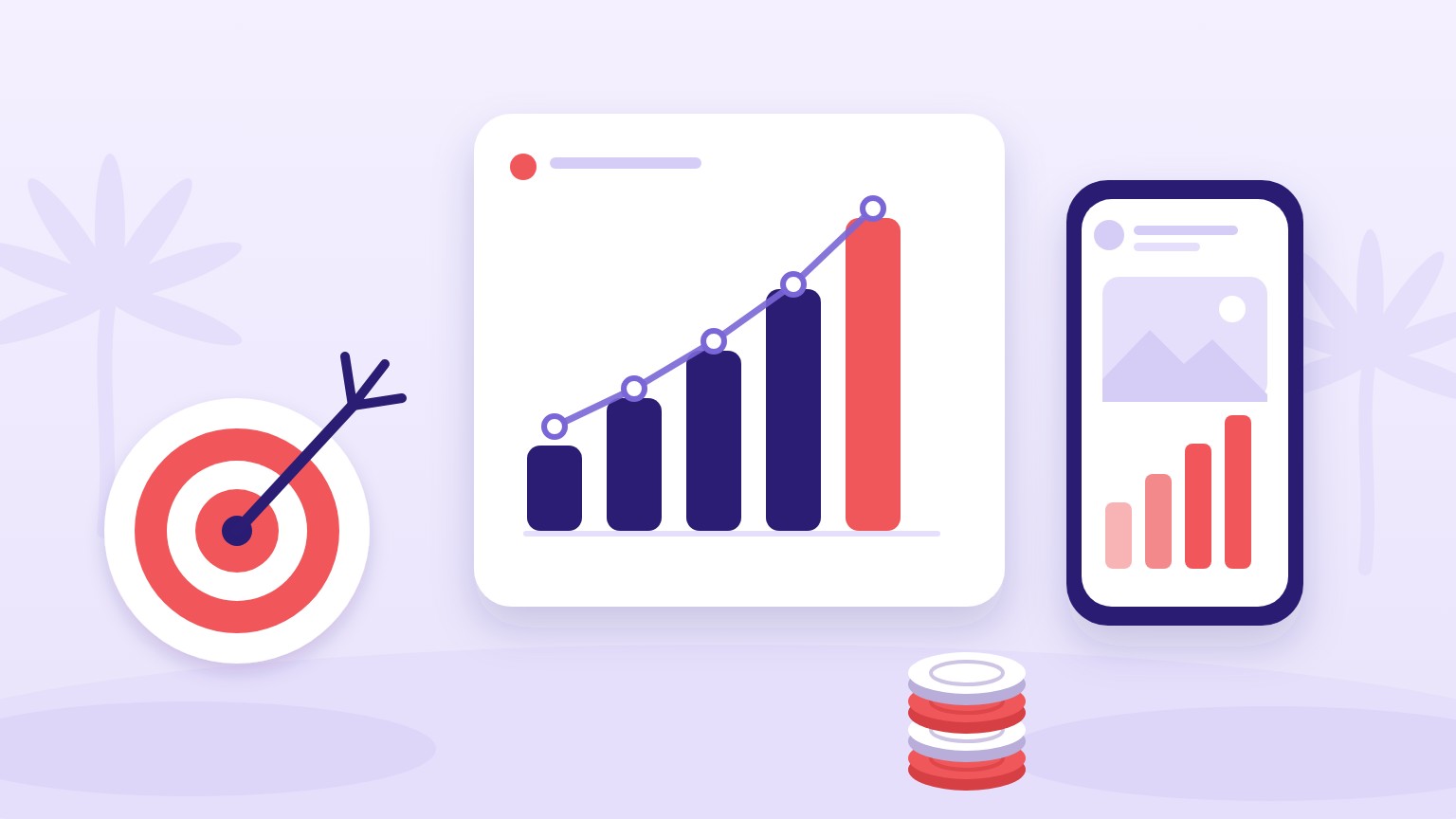
A realistic Meta Ads plan for a Lebanese online store comes down to four calculations:
Everything below unpacks these four, with worked examples in US dollars, since that is how Lebanese e-commerce prices and pays.
Benchmark ROAS figures that circulate online are averages drawn mostly from US and European accounts, with different purchasing power, different delivery infrastructure and almost no cash on delivery. A Lebanese store comparing itself to those numbers is comparing against a market where the customer pays online, the parcel arrives through a mature postal network, and returns are rare. None of those three conditions hold in Lebanon.
The structural differences that change the math here:
Meta's delivery system needs volume to optimise. Its published guidance is that the learning phase usually ends after about 50 results in the week following the ad set's last significant edit. [1] Until then, performance is volatile and every significant edit resets the clock.
This gives you a formula instead of a guess. Estimate your cost per purchase honestly, then:
Worked example: if a purchase realistically costs you $4 in Lebanon, one ad set needs about $200 a week, roughly $28 a day, to learn properly. If your whole budget is $300 a month, you cannot afford purchase optimisation across three ad sets. You can afford one ad set, or a cheaper optimisation event such as add to cart while you build volume. Running three underfunded ad sets at $100 each is the single most common way small Lebanese accounts waste money: none of the three ever exits learning, and all three stay erratic.
The practical consequences for a small account:
ROAS is the total value of attributed purchases divided by ad spend. [2] The only ROAS number that matters on day one is your breakeven: the point where an attributed sale stops losing money.
| Store | AOV | All-in costs per order | Margin | Breakeven ROAS |
|---|---|---|---|---|
| Accessories store | $25 | $17 | 32% | 3.1 |
| Fashion store | $45 | $27 | 40% | 2.5 |
| Home goods store | $80 | $44 | 45% | 2.2 |
These rows are illustrations of the formula, not benchmarks. Fill in your own costs. The lesson they carry is real though: the lower your AOV, the higher the ROAS you need just to break even, which is why raising AOV through bundles and order minimums is often worth more than another week of creative testing.
In a cash on delivery market, the pixel fires when the order is placed, not when the cash is collected. Orders fail at the door: the customer does not answer, refuses the parcel, or ordered twice. Your courier statements tell you your delivery success rate. Until you apply it, your dashboard ROAS is fiction.
Worked example: the fashion store above breaks even at 2.5. If 80% of its COD orders are successfully delivered and paid, it needs a dashboard ROAS of about 3.1 just to break even, and failed deliveries still cost courier fees on top. Two operational fixes move this number more than any targeting change: WhatsApp order confirmation before dispatch, and prepaid incentives such as a small discount for paying by card.
Putting the pieces together, a sane first quarter for a small Lebanese store optimising toward purchases looks like this:
Measurement underneath all of this should be Pixel plus Conversions API with deduplication, so iOS losses and browser blocking do not blind the account. [3] For the regional compliance layer, Special Ad Categories and Gulf-specific authorisation rules, see our separate guide to Meta Ads in the GCC and MENA.
There is no published benchmark for the Lebanese market worth trusting. Compute your breakeven ROAS as 1 divided by your contribution margin, divide it by your delivery success rate to get the dashboard number you need, and set your target above that. For most low-AOV COD stores that lands somewhere between 2.5 and 4, but your own margins decide it.
Work backwards from Meta's learning phase: about 50 optimisation events per ad set in 7 days. At a $4 cost per purchase that is roughly $200 per week for one purchase-optimised ad set. With less than that, run a single ad set or optimise for a cheaper event like add to cart first.
Usually one of three reasons: your breakeven ROAS is higher than you think once delivery and payment costs are counted, your COD failure rate means a slice of dashboard revenue never arrives, or refunds and courier fees on failed orders are not in the dashboard at all.
Mostly broad, with strong creative doing the targeting. Lebanon's audience pool is small, and layered interest targeting fragments it into ad sets too small to exit the learning phase.
Eight modules covering positioning, messaging, channel mix, measurement and a full integrated campaign as the capstone.
View courseE-Commerce Mastery covers ads, delivery operations and retention for Lebanese and MENA stores, with an LAU certificate.
See E-Commerce MasteryHow to build a Meta Ads account that performs in Gulf markets, and the regional rules that will stop it if you ignore them.
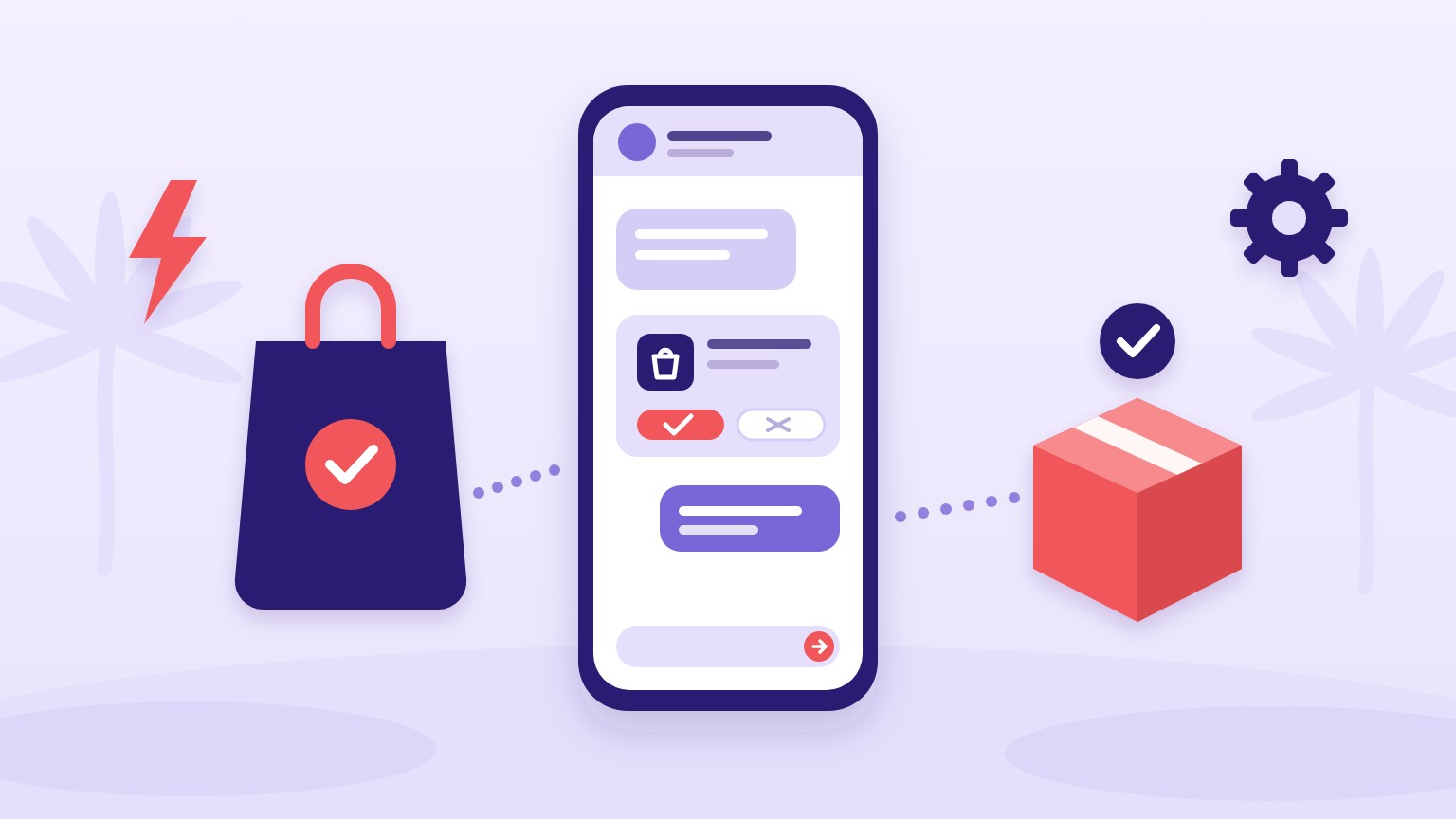
Lebanese and MENA customers already buy over WhatsApp. The stores that win wire it into Shopify properly: COD confirmation, abandoned checkout recovery and delivery updates, automated.

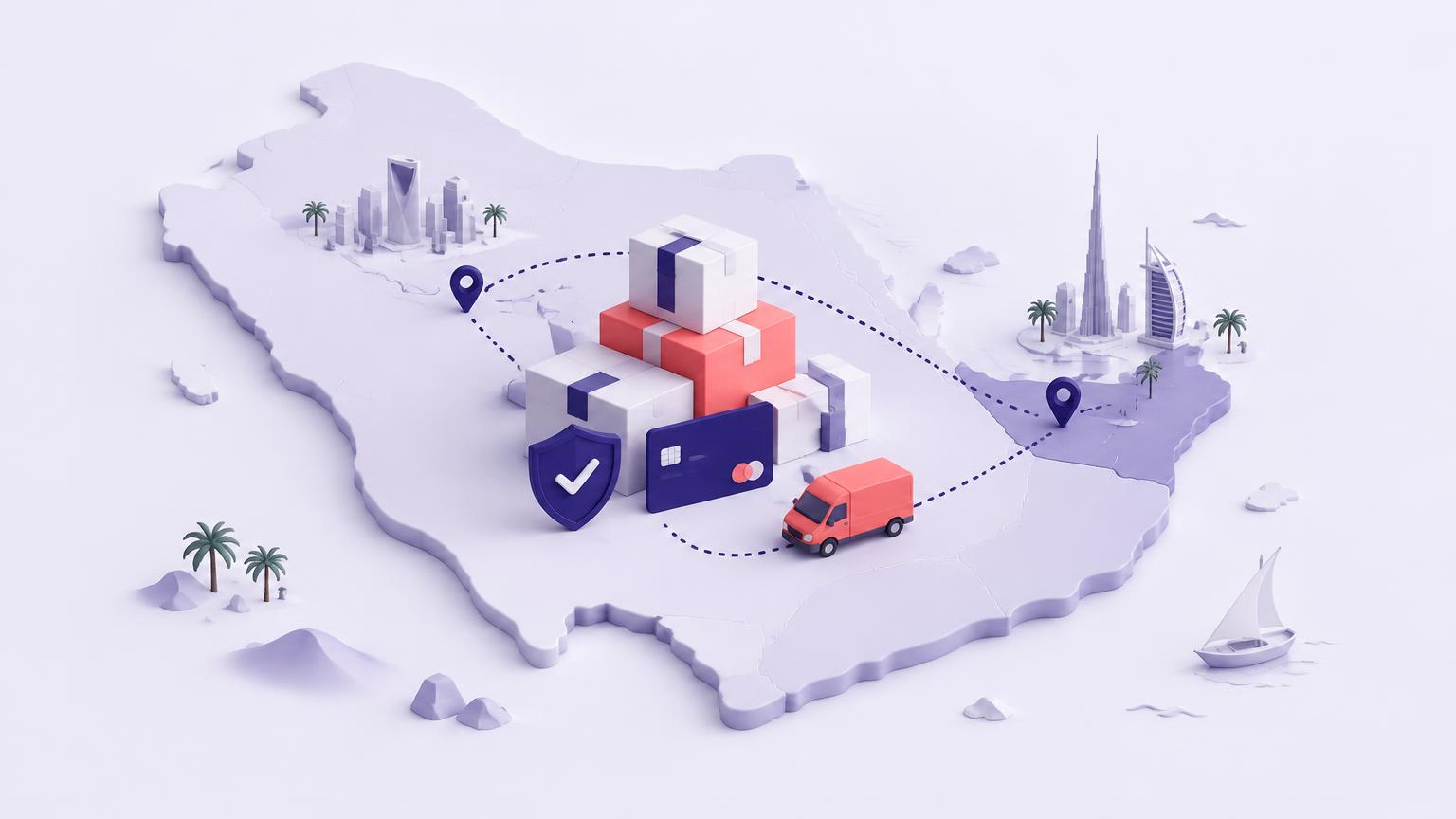
What a Lebanese or MENA brand has to get right on tax, customs, licensing, payments and Arabic before the first order ships.